

The live game is what gets the viewer to your platform, not necessarily what keeps them on it and engaged during and after the match. Picture this: a fan joins a live match at minute 60. The score is 3-1. They have already missed four goals and their team is losing. The viewer might hesitate to commit to watching the rest of the live stream, search for what they missed on other platforms, or simply drop since their team is losing. But beyond the actions they missed, they are also missing the score dynamics and the momentum of the moment. Maybe their team scored last and they just missed a close shot minutes ago, taking the momentum back.
A quick catch-up recap would be awesome to give them the context and let them switch back to live seamlessly. Recaps would need to be generated in real-time and updated as the match progresses, prioritizing the moments that matter and providing the viewer with a real narrative of what they missed, sized to their available time.
What is Ateme Dynamic Recap?
Ateme Dynamic Recap is a narrated summary of what happened in the match before the viewer joined. A viewer who joins mid-stream watches a short video summarizing the match story up until that point: how it started, the momentum shifts and the significant actions explaining the current game state, before returning to live. It goes beyond a static highlights compilation, where raw clips are simply stitched together. Dynamic Recap builds a story from the match timeline. It’s continuously updated as the match progresses, tailored to the moment the viewer joined. Each recap includes newly generated commentary and once it ends, the viewer is brought straight back to live.
More Than Highlights: Keeping Late Joiners in the Game
Offering a live catch-up recap alongside the live stream helps increase retention by removing the friction in late-joining experience and converting potential app bounces into extended watch sessions. By delivering instant, tailor-made context, it keeps fans engaged on the platform during and after the match, rather than leaving to check actions on third-party apps. Keeping viewers on the platform also means keeping revenue.
AI-automated Dynamic Recap also allows broadcasters to scale. Unlike highlights clipping, creating recaps means selecting events and building a narrative, which usually requires an editing team. For a sports league with multiple matches on the same day, manual production would require time and people. Here, AI creates new assets during the live feed without human intervention. It can also help cover lower-tier games that are normally uncovered, bringing more exposure for sponsors and engaging fans from smaller clubs and leagues.
How AI Automates Real-Time Match Recap Generation
As the match progresses, a multimodal AI model continuously analyzes the live stream to detect key events and track the game state. Unlike AI highlights, where individual clips can be extracted directly, recaps rely on the full match timeline to build the story of the match.
Recaps are created and updated continuously. The AI selects the most relevant moments and builds a narrative that tells the story of the match up to that point, surfacing key moments and dynamics.
TTS models then generate the audio commentary from this narrative. Ateme orchestrates the workflow from ingesting your live feed to generating and distributing the recap across destinations, alongside the live broadcast, with high quality and efficiency.
A Recap Personalized for Each Viewer
Every viewer can ask for something different. Using dynamic filtering and analysis by a multimodal AI model, the system can produce tailored recaps focusing on a player, a team or a specific play type (e.g. “the best blocks of the match” in basketball), or on a particular period of the match (e.g., only the 2nd quarter or the last 20 minutes). Viewers simply tell the AI what they want in their own words: “Show me a 60-second recap of Wemby’s night” or “the best dribbles of the first half.” The AI agent then searches through the match timeline for events that match the request, picks only the relevant ones and writes a new narrative with a fresh commentary voice. The conversation can continue, with the viewer asking for more details or adjusting the length.
Commentary is generated in different languages to engage fans across different regions. Ateme AI Reframing generates vertical content alongside the 16:9 broadcast for distribution across social media platforms, so the story follows fans on the device they use.
Driving Retention and Revenue
Personalization keeps viewers engaged during and beyond the match, with player-focused stories rather than only generic recaps. A fan who missed the match entirely can still engage with new content telling them the story they want to watch. This personalized engagement turns one-time viewers into loyal subscribers.
Keeping the viewer engaged on your platform also means more ad opportunities. The viewer’s full attention during the recap makes it valuable for advertising, and the end of a recap provides an ideal timeslot for ads before switching back to live. More viewers back in the live stream also means more viewers watching its ad breaks.
Fan-specific experiences open direct monetization opportunities and help with ad targeting. Recaps about specific players or teams are ideal for advertising brands under contract with those players, or for teams to recommend their merchandise.
Get Started
Live sports bring fans on your platform, dynamic recap helps keep them there during and after the match. The dynamic recap solution integrates seamlessly with your live broadcast and is available on the Ateme SaaS solution. Initial supported sports include basketball, baseball, hockey, soccer and American football.
Want to experience it on your own content? Contact the Ateme team to book a demo.
About the Author
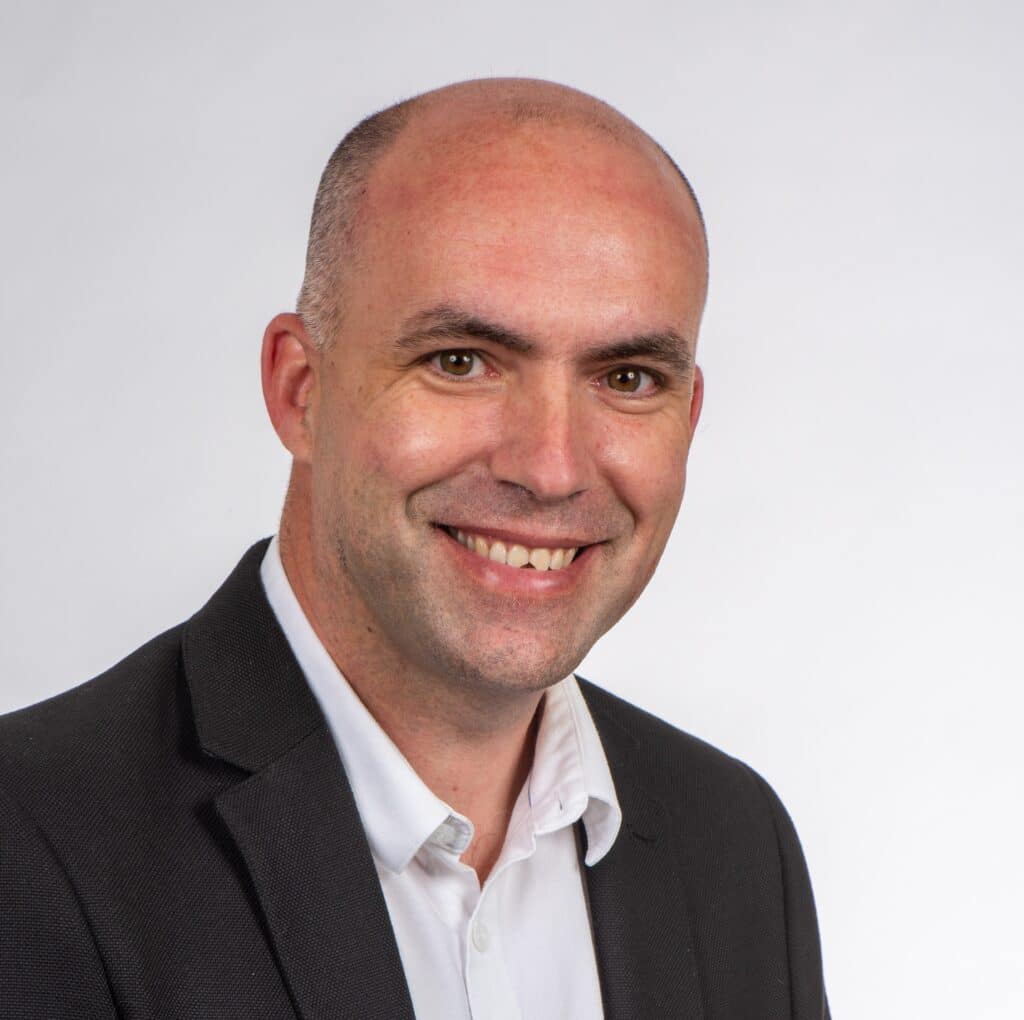
Chief Technology Officer at Ateme
Dr. Mickaël Raulet is CTO at Ateme, where he drives research and innovation with various collaborative R&D projects. He represents Ateme in several standardization bodies: ATSC, DVB, 3GPP, ISO/IEC, ITU, MPEG, DASH-IF, CMAF-IF, SVA and Ultra HD Forum. Additionally, he is the author of numerous patents and more than 100 conference and scientific journal papers. In 2006, he received his Ph.D. from INSA in electronic and signal processing, in collaboration with Mitsubishi Electric ITE (Rennes, France).